Anteverted Uterus (Womb): What It Means, Fertility & Pregnancy Impact
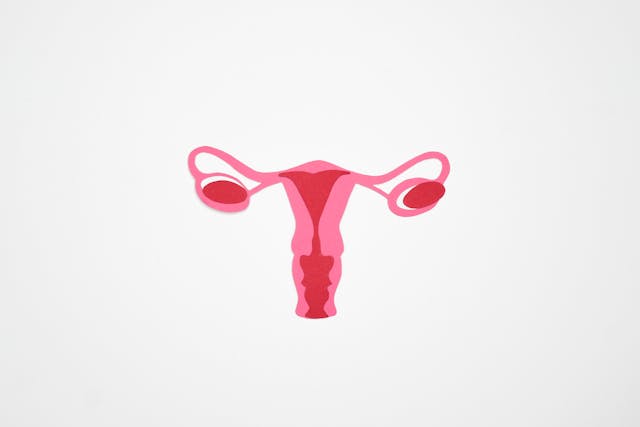
Anteverted Womb: What It Means, Whether It Affects Fertility, and What to Know During Pregnancy
Told by your doctor that you have an anteverted uterus and not sure what that means? You're in good company. Here's a clear, reassuring breakdown of what this common uterine position actually is — and why, in nearly every case, it's nothing to worry about.
In This Article
You went for a routine ultrasound or pelvic exam, and somewhere in the notes — or during the conversation with your doctor — the phrase "anteverted uterus" came up. Maybe it was on an imaging report. Maybe your provider mentioned it in passing. Either way, it's the kind of medical term that can sound more alarming than it actually is.
The short version? An anteverted womb is the most common uterine position there is. It's not a condition, it's not a disorder, and in the overwhelming majority of cases, it has zero impact on your health, your fertility, or your pregnancy.
But you probably want more than the short version. Let's get into the details.
What Is an Anteverted Uterus?
An anteverted uterus is a uterus that tilts forward, toward the bladder and lower abdomen, at the point where the cervix meets the uterine body. This forward-facing position is considered the standard, most common orientation of the uterus and is not a medical condition.
To picture it, think of the uterus as a pear-shaped organ sitting in the pelvis, between the bladder (in front) and the rectum (behind). In most women, the top of the uterus leans gently forward, so the body of the uterus points toward the pubic bone while the cervix angles slightly toward the lower back.
The degree of the forward tilt varies from person to person — some uteruses lean just slightly, while others have a more pronounced angle. Both are normal. According to the Cleveland Clinic, an anteverted uterus simply describes a position, not a health concern, and it should not cause pain or affect pregnancy in any way.
How Common Is an Anteverted Uterus?
Extremely common. In fact, it's the norm.
When doctors refer to a "normal" uterine position, they're generally talking about the anteverted position. It's so common that most women will go their entire lives without ever learning about the tilt of their uterus — because it never causes any issues worth investigating.
What Causes the Uterus to Be Anteverted?
For most women, the answer is simple: they were born with it. The position of the uterus is largely determined during fetal development, much like other physical traits such as eye color or bone structure.
However, the uterine position isn't permanently fixed. Several factors can cause the uterus to shift position over time:
Factors That Can Influence Uterine Position
Genetics. Most women are born with their uterus in the anteverted position. It's the default orientation established during development.
Pregnancy and childbirth. The expansion of the uterus during pregnancy can alter its position. A retroverted uterus often shifts to an anteverted position during the second trimester and may or may not return to its original tilt after delivery.
Aging. Natural changes in ligament elasticity can cause the uterus to shift slightly with age.
Pelvic surgery. Procedures such as cesarean delivery can create scar tissue (adhesions) that may pull the uterus into a more forward or backward position.
Conditions like endometriosis or fibroids. Growths or scar tissue from these conditions can occasionally shift the uterus, though this is more commonly associated with retroversion than anteversion.
Does an Anteverted Uterus Cause Symptoms?
In the vast majority of cases — no. An anteverted uterus is asymptomatic. Most women only discover they have one when a provider mentions it during a routine exam or ultrasound.
In rare instances where the forward tilt is particularly pronounced, some women may experience very mild pressure above the pubic area. But this is uncommon and typically not significant enough to require attention.
It's important to understand that if you are experiencing symptoms like pelvic pain, painful periods, or discomfort during sex, these are almost certainly being caused by another condition — such as endometriosis, fibroids, pelvic inflammatory disease, or ovarian cysts — and not by the position of your uterus.
Key reassurance: An anteverted uterus does not cause painful periods, heavy bleeding, infertility, or complications during sex. If you're experiencing any of these, the cause lies elsewhere and is worth investigating with your provider.
Anteverted vs. Retroverted Uterus: What's the Difference?
While an anteverted uterus tilts forward, a retroverted uterus (also called a tilted or tipped uterus) leans backward toward the spine. Both are normal anatomical variations, but they do have some differences worth understanding.
| Feature | Anteverted Uterus | Retroverted Uterus |
|---|---|---|
| Direction of tilt | Forward, toward the bladder | Backward, toward the spine |
| How common | 70–80% of women | ~20–25% of women |
| Symptoms | Typically none | May cause pain during sex or menstruation in some cases |
| Effect on fertility | None | None in most cases (rarely associated with endometriosis) |
| During pregnancy | No impact | Usually shifts to anteverted by second trimester |
| Treatment needed? | No | Usually no; rarely, if it causes complications |
As Healthline explains, a retroverted uterus is generally considered more likely to be associated with mild symptoms than an anteverted one, but neither position is inherently problematic.
Does an Anteverted Uterus Affect Fertility?
This is the question that brings many women to this topic — and the answer is clear and consistent across medical literature: no, an anteverted uterus does not affect your ability to get pregnant.
The forward tilt of the uterus does not interfere with sperm traveling through the cervix, does not prevent the egg from being fertilized, and does not impair implantation — the process by which a fertilized egg attaches to the uterine lining.
According to Medical News Today, the position of the uterus accounts for essentially none of the factors involved in female infertility. If you're having difficulty conceiving, the cause is far more likely to involve ovulation disorders, fallopian tube issues, hormonal imbalances, age-related factors, or conditions like endometriosis or polycystic ovary syndrome (PCOS).
If you're trying to conceive: Don't let the phrase "anteverted uterus" create unnecessary anxiety. Focus on understanding your ovulation window, maintaining overall health, and working with a provider if conception doesn't happen within a reasonable timeframe (12 months for women under 35, or 6 months for women 35 and older).
Anteverted Uterus and Pregnancy
If you're already pregnant or planning to be, rest assured: an anteverted uterus is essentially the ideal position for pregnancy. It's the default orientation in which the uterus is designed to grow and accommodate a developing baby.
First Trimester
Some women with a very pronounced forward tilt may notice slightly more urinary frequency in the first trimester, as the uterus sits directly on top of the bladder. This typically resolves as the uterus grows upward and out of the pelvis.
Second and Third Trimesters
As the uterus expands, the original tilt becomes irrelevant. By the second trimester, the uterus has grown well above the pelvic brim and its position relative to the bladder or spine is no longer a meaningful factor.
Labor and Delivery
An anteverted uterus has no effect on labor, delivery method, or complications during birth. It does not influence whether you'll need a cesarean section, and it does not affect how contractions function.
Interestingly, women who start pregnancy with a retroverted uterus typically see their uterus shift to the anteverted position by around 12 to 14 weeks — further confirming that the forward-facing position is the natural orientation for carrying a pregnancy.
How Is an Anteverted Uterus Diagnosed?
The position of your uterus can be identified through two common methods:
Pelvic exam. During a routine bimanual pelvic exam, your provider places one hand on your lower abdomen and inserts two fingers into the vagina to feel the position, size, and shape of the uterus. They can determine whether the uterus tilts forward, backward, or sits in a neutral position.
Ultrasound. A transvaginal ultrasound provides a clearer visual image of the uterus and can confirm its orientation. The term "anteverted" may appear in your ultrasound report — which is often how women first learn about it.
In both cases, discovering an anteverted uterus is an incidental finding, not a diagnostic concern. It requires no follow-up testing or monitoring.
Does an Anteverted Uterus Need Treatment?
No. Because an anteverted uterus is a normal anatomical variation and not a medical condition, it does not require any treatment, intervention, or monitoring.
There are no medications to take, no exercises to perform, and no lifestyle changes needed. If your provider mentions it during an exam, it's purely descriptive — the same way they might note the size of your uterus or the number of follicles on your ovaries.
The only scenario where uterine position might become clinically relevant is if a retroverted uterus becomes "incarcerated" during pregnancy (a rare condition where it fails to shift forward), which can require medical attention. This does not apply to anteverted uteruses.
Myths vs. Facts About an Anteverted Womb
There's a lot of misinformation about uterine positioning online. Let's clear up the most common misconceptions.
When to See a Doctor
An anteverted uterus by itself does not warrant a doctor's visit. However, you should see your healthcare provider if you're experiencing any of the following, which could indicate a separate underlying condition:
Persistent pelvic pain or pressure; severe menstrual cramps that interfere with daily life; pain during intercourse; irregular or abnormally heavy periods; difficulty conceiving after 12 months of trying (or 6 months if over 35); unusual vaginal discharge with odor, color changes, or irritation; or any bleeding during pregnancy.
These symptoms are not caused by having an anteverted uterus, but they could signal conditions like endometriosis, fibroids, pelvic inflammatory disease, or hormonal imbalances that benefit from diagnosis and treatment. If you've been told you have an anteverted uterus and are also experiencing any of these issues, the two are almost certainly unrelated — but it's always worth getting checked.
Frequently Asked Questions
What is an anteverted uterus?
An anteverted uterus is one that tilts forward toward the bladder and abdomen. It is the most common uterine position, found in approximately 70–80% of women, and is completely normal.
Is an anteverted uterus good or bad?
Neither. It's the standard, most common position of the uterus. It doesn't cause health problems, doesn't affect fertility, and doesn't complicate pregnancy or delivery.
Can you get pregnant with an anteverted uterus?
Yes. An anteverted uterus does not affect your ability to conceive. It doesn't interfere with sperm reaching the fallopian tubes, with implantation, or with fetal development.
What is the difference between anteverted and retroverted?
An anteverted uterus tilts forward toward the bladder (about 75% of women), while a retroverted uterus tilts backward toward the spine (about 25% of women). Both are normal. A retroverted uterus typically shifts to the anteverted position during pregnancy.
Does an anteverted uterus cause pain?
In the vast majority of cases, no. Rarely, a very pronounced tilt may cause mild pressure above the pubic area. Significant pain is more likely related to other conditions like endometriosis or fibroids.
Does an anteverted uterus affect pregnancy?
No. It does not affect fetal development, labor, or delivery. The anteverted position is considered the default orientation for carrying a pregnancy.
Key Takeaways
An anteverted uterus is the most common uterine position, found in roughly three-quarters of all women. It means your uterus tilts forward toward your bladder — and that's it. It's not a condition, it doesn't need treatment, and it has no impact on your fertility, your menstrual cycle, your pregnancy, or your overall health.
If your doctor mentioned it, think of it the same way you'd think about them noting your height or blood type — it's a descriptor, not a diagnosis. And if you're trying to conceive or are already pregnant, you can move forward with complete confidence that the position of your uterus is working exactly as it should.
Get weekly pregnancy updates
Expert tips and milestones straight to your inbox.