What Is a Chemical Pregnancy? Causes, Symptoms, and What It Means for Your Future Fertility
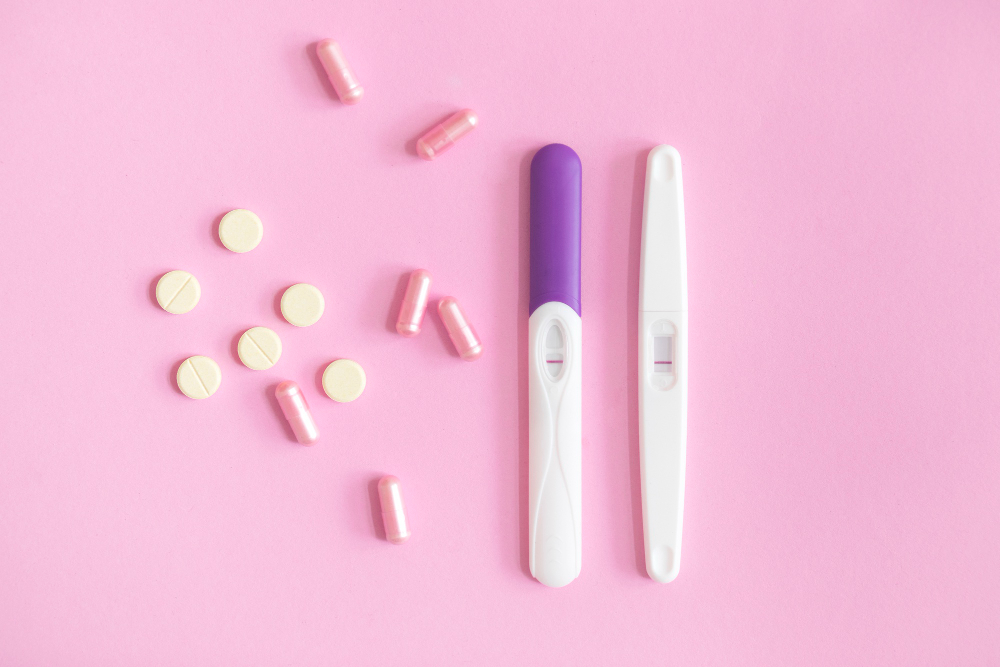
What Is a Chemical Pregnancy? Causes, Symptoms, and What It Means for Your Future Fertility
A chemical pregnancy is a very early miscarriage that happens before the fifth week — often before you even know you're pregnant. Here's everything you need to understand about why it happens, what to look for, and what comes next.
In This Article
You saw the two lines. Your heart raced. For a brief, beautiful moment, everything changed — and then it didn't.
If you've experienced a positive pregnancy test followed by bleeding just days later, you may be dealing with something called a chemical pregnancy. It's far more common than most people realize, and understanding what happened can bring clarity during an incredibly confusing time.
Chemical Pregnancy: A Simple Definition
A chemical pregnancy is a very early miscarriage that occurs within the first five weeks of pregnancy — before a developing embryo can be seen on an ultrasound. The term "chemical" refers to the fact that the pregnancy is only detectable through chemical means, specifically a blood or urine test that measures the hormone human chorionic gonadotropin (hCG).
The name can sound clinical and detached, but it doesn't diminish the experience. A chemical pregnancy is a real pregnancy — the term simply describes how early the loss occurred.
Here's the typical sequence of events:
- A fertilized egg implants in the uterine lining.
- Your body begins producing hCG, which triggers a positive pregnancy test.
- The embryo stops developing shortly after implantation.
- hCG levels drop, and bleeding begins — often around the time you'd expect your period.
Because the loss happens so early, many people experience a chemical pregnancy without ever knowing they were pregnant. It may simply feel like a late or unusually heavy period.
How Common Are Chemical Pregnancies?
Extremely common. Estimates suggest that chemical pregnancies account for 50 to 75 percent of all miscarriages. Roughly 25 percent of all pregnancies end within the first 20 weeks, and about 80 percent of those losses happen very early — many of them as chemical pregnancies.
The reason we hear about them more now than in past generations has nothing to do with rising rates. Today's home pregnancy tests are sensitive enough to detect hCG before a missed period. That means more people are discovering pregnancies earlier — and, unfortunately, also discovering early losses they would have otherwise never known about.
What Causes a Chemical Pregnancy?
In the majority of cases, chromosomal abnormalities in the embryo are the primary cause. A healthy embryo carries 46 chromosomes — 23 from the egg and 23 from the sperm. When the embryo ends up with too many or too few chromosomes (a condition called aneuploidy), it often cannot develop normally, and the pregnancy ends on its own.
Approximately 70 to 75 percent of early miscarriages are attributed to these chromosomal errors. Beyond that, several other factors may contribute:
Contributing Factors
Uterine lining problems. If the endometrial lining isn't thick enough or hasn't developed at the right time, the embryo may struggle to implant securely.
Hormonal imbalances. Insufficient progesterone levels can make it difficult for the uterine lining to support a newly implanted embryo.
Thyroid disorders. Both an overactive and underactive thyroid can interfere with early pregnancy development.
Blood clotting disorders. Conditions that affect blood flow to the uterus may impair implantation.
Infections. Certain untreated infections, such as chlamydia or syphilis, may increase the risk.
Maternal age. Egg quality naturally declines after age 35, which can raise the likelihood of chromosomal abnormalities in the embryo.
Important: A chemical pregnancy is not caused by anything you did or didn't do. It's not the result of exercise, stress, diet, or activity. In the vast majority of cases, it is a random chromosomal event that no one could have predicted or prevented.
Signs and Symptoms of a Chemical Pregnancy
Because chemical pregnancies happen so early, the symptoms are often subtle or easily mistaken for a normal menstrual cycle. Here are the most common signs to be aware of:
A Positive Test Followed by a Negative One
This is the hallmark indicator. You get an initial positive result, but a follow-up test days or weeks later comes back negative.
A Late or Heavier Period
Your cycle may arrive about a week later than expected. Some people notice the bleeding is more intense than usual, sometimes accompanied by stronger cramping.
Mild Abdominal Cramping
Menstrual-like cramps in the lower abdomen are common, though they typically aren't severe enough to be alarming on their own.
Absence of Typical Pregnancy Symptoms
Unlike a clinical pregnancy that has progressed further, there's usually no time for symptoms like nausea, breast tenderness, or fatigue to develop.
Declining hCG Levels
If your doctor is monitoring your hCG through blood tests (common during fertility treatments), a drop rather than a steady rise indicates the pregnancy is not progressing.
Most people do not experience severe pain or heavy bleeding with a chemical pregnancy. If you have intense one-sided pain, dizziness, or extremely heavy bleeding, seek medical attention promptly — these symptoms could indicate an ectopic pregnancy, which requires immediate care.
Chemical Pregnancy vs. Clinical Pregnancy
These two terms describe the same journey at different stages, and understanding the distinction matters.
| Feature | Chemical Pregnancy | Clinical Pregnancy |
|---|---|---|
| Timing | Before week 5 | Week 5 onward |
| Detection | hCG test only | Ultrasound or heartbeat |
| Visible on ultrasound? | No | Yes (gestational sac, heartbeat) |
| Is it a real pregnancy? | Yes | Yes |
Both are real pregnancies. The word "chemical" doesn't diminish the experience or the loss — it simply describes how early it was detected and how early it ended.
Chemical Pregnancy vs. Implantation Bleeding
This is one of the most confusing distinctions for people in early pregnancy, so it's worth clarifying carefully.
Implantation bleeding occurs when a fertilized egg attaches to the uterine wall, usually 6 to 12 days after ovulation. It's typically very light — think spotting rather than a flow — and lasts only a day or two. The pregnancy test remains positive afterward.
Chemical pregnancy bleeding tends to resemble a normal period. It's heavier, may include clots, and usually occurs around the time your period is expected. Crucially, a pregnancy test taken after the bleeding will return a negative result.
If you're unsure which you're experiencing, a follow-up hCG blood test from your doctor can provide a definitive answer.
How Is a Chemical Pregnancy Diagnosed?
Your doctor may confirm a chemical pregnancy through several approaches:
Serial hCG Blood Tests
Two or more blood draws taken 48 to 72 hours apart reveal whether hCG levels are rising (a healthy sign) or falling (which indicates a loss).
Urine Pregnancy Test Pattern
A positive home test followed by a negative one within a short window is a strong indicator of a chemical pregnancy.
Ultrasound Confirmation
An ultrasound performed after a positive test that shows no gestational sac confirms the pregnancy didn't progress to a clinical stage.
Medical History Review
Your doctor will also consider the date of your last period, your symptoms, and any previous pregnancy history to form a complete picture.
Treatment and Recovery After a Chemical Pregnancy
In most cases, no medical treatment is needed. The body handles the process naturally, and the bleeding typically resembles a normal or slightly heavier period. There is no need for medication or surgical intervention.
Your doctor may recommend a follow-up blood test to confirm that hCG levels have returned to zero, particularly if you're undergoing fertility treatment or have experienced recurrent losses.
Physically, recovery is usually quick. Most people can expect their next menstrual cycle to arrive on schedule, and ovulation often resumes within a few weeks.
Can You Get Pregnant After a Chemical Pregnancy?
Yes — and for most people, the outlook is very encouraging. Having one chemical pregnancy does not mean there is a problem with your reproductive health. It doesn't indicate that something is fundamentally wrong with your body or your ability to carry a pregnancy to term.
Many doctors advise that you can begin trying to conceive again as soon as you feel physically and emotionally ready, though some suggest waiting until after your next period for easier date tracking.
Research offers a reassuring finding for those undergoing IVF: individuals who experience a chemical pregnancy during an IVF cycle are statistically more likely to have a successful outcome in their next cycle compared to those who didn't conceive at all. This suggests the body demonstrated the capacity to implant an embryo — a positive biological indicator.
However, if you experience two or more chemical pregnancies in a row, consulting a fertility specialist is a wise step. Recurrent early losses may warrant investigation into chromosomal issues, hormonal imbalances, uterine abnormalities, or blood clotting disorders. Options like IVF with preimplantation genetic testing (PGT-A) can screen embryos for chromosomal abnormalities before transfer, significantly reducing the chance of early loss.
Emotional Recovery: Your Experience Is Valid
Here's something that doesn't get said enough: a chemical pregnancy is a real loss, and you are allowed to grieve it.
The medical world may categorize it as "very early," but that doesn't define your emotional experience. For someone who has been trying to conceive, seeing a positive test can spark intense hope, joy, and plans for the future. Losing that — even days later — can feel devastating.
Equally, some people feel relieved, confused, or even numb. All of these responses are normal. There is no right or wrong way to process a pregnancy loss at any stage.
If your emotions feel overwhelming, persist over time, or interfere with your daily life, consider reaching out to a mental health professional who specializes in pregnancy loss. Organizations like Tommy's offer dedicated miscarriage support and resources. Support groups — both in person and online — can also provide a sense of community and understanding. Hormonal shifts after a chemical pregnancy can intensify emotions for a period, so be patient with yourself.
Can You Prevent a Chemical Pregnancy?
Because most chemical pregnancies result from random chromosomal abnormalities, there is no reliable way to prevent them. However, there are steps you can take to support your overall reproductive health and give every pregnancy the best possible start:
Steps to Support Reproductive Health
Start prenatal vitamins early. Folic acid supports healthy embryo development and is recommended for anyone planning to conceive.
Manage underlying health conditions. Work with your doctor to address thyroid disorders, diabetes, hormonal imbalances, or clotting disorders before trying to conceive.
Maintain a healthy lifestyle. Balanced nutrition, regular moderate exercise, adequate sleep, and stress management all contribute to reproductive wellness.
Avoid smoking and excessive alcohol. Both are associated with reduced fertility and higher miscarriage risk.
Seek specialist care if needed. For individuals with recurrent chemical pregnancies, IVF with preimplantation genetic testing (PGT-A) allows embryos to be screened before transfer.
When to See a Doctor
Contact your healthcare provider if you experience any of the following:
A positive pregnancy test followed by heavy bleeding or severe cramping; two or more suspected chemical pregnancies; intense pain on one side of your abdomen (potential ectopic pregnancy); dizziness, fainting, or signs of excessive blood loss; or emotional distress that isn't improving over time.
Your doctor can run the appropriate tests, rule out other conditions, and help you develop a plan for moving forward — whether that means trying again, exploring fertility treatments, or taking time to heal.
Frequently Asked Questions About Chemical Pregnancies
What is a chemical pregnancy in simple terms?
A chemical pregnancy is a very early miscarriage that occurs within the first five weeks, before an embryo can be seen on an ultrasound. It's detected only through hCG hormone levels in a blood or urine test.
What are the most common signs of a chemical pregnancy?
The most common signs are a positive pregnancy test followed by a negative result, a period that arrives about a week late, heavier-than-usual bleeding, mild cramping, and an absence of typical pregnancy symptoms like nausea or breast tenderness.
What causes a chemical pregnancy?
The most common cause is chromosomal abnormalities in the embryo. Other contributing factors include uterine lining issues, hormonal imbalances, thyroid disorders, blood clotting problems, and maternal age over 35.
Can you get pregnant again after a chemical pregnancy?
Yes. One chemical pregnancy does not typically affect your ability to conceive or carry a pregnancy to term. Most people go on to have healthy pregnancies afterward.
How common are chemical pregnancies?
Very common. They are estimated to account for 50 to 75 percent of all miscarriages. Many go unnoticed because they happen before people realize they are pregnant.
Does a chemical pregnancy require medical treatment?
In most cases, no. The body resolves it naturally, and bleeding resembles a normal or slightly heavier period. A follow-up blood test may be recommended to confirm hCG levels return to zero.
Key Takeaways
A chemical pregnancy is a very early miscarriage that happens within the first five weeks, before an embryo is visible on ultrasound. It's detected only through hCG levels and is most commonly caused by chromosomal abnormalities in the embryo.
These losses are incredibly common — likely accounting for the majority of all miscarriages. They are not your fault, they rarely require medical treatment, and they do not typically affect your ability to have a healthy pregnancy in the future.
If you've experienced a chemical pregnancy, give yourself grace. Reach out to your doctor with questions, lean on your support system, and know that for most people, this is a temporary setback — not a permanent roadblock on the path to parenthood.
Get weekly pregnancy updates
Expert tips and milestones straight to your inbox.